

Your toddler isn’t broken. But the story being told about them might be.
Sometimes, it starts before school even does.
A 3-year-old who won’t sit still is called hyperactive.
A child who blurts out answers is “impulsive.”
A 7-year-old who gazes out the window? “Inattentive type.”
And whether it’s a daycare worker, a pediatrician, or a well-meaning relative, someone starts to wonder out loud.
Maybe it’s at preschool drop-off. Maybe during a rushed check-up. Maybe whispered in the kitchen while you’re just trying to survive bedtime:
“Have you had him checked?”
And that’s when it starts.
You begin to wonder, too.
You lie awake thinking, What if something’s wrong? What did I miss? Did I do something wrong?
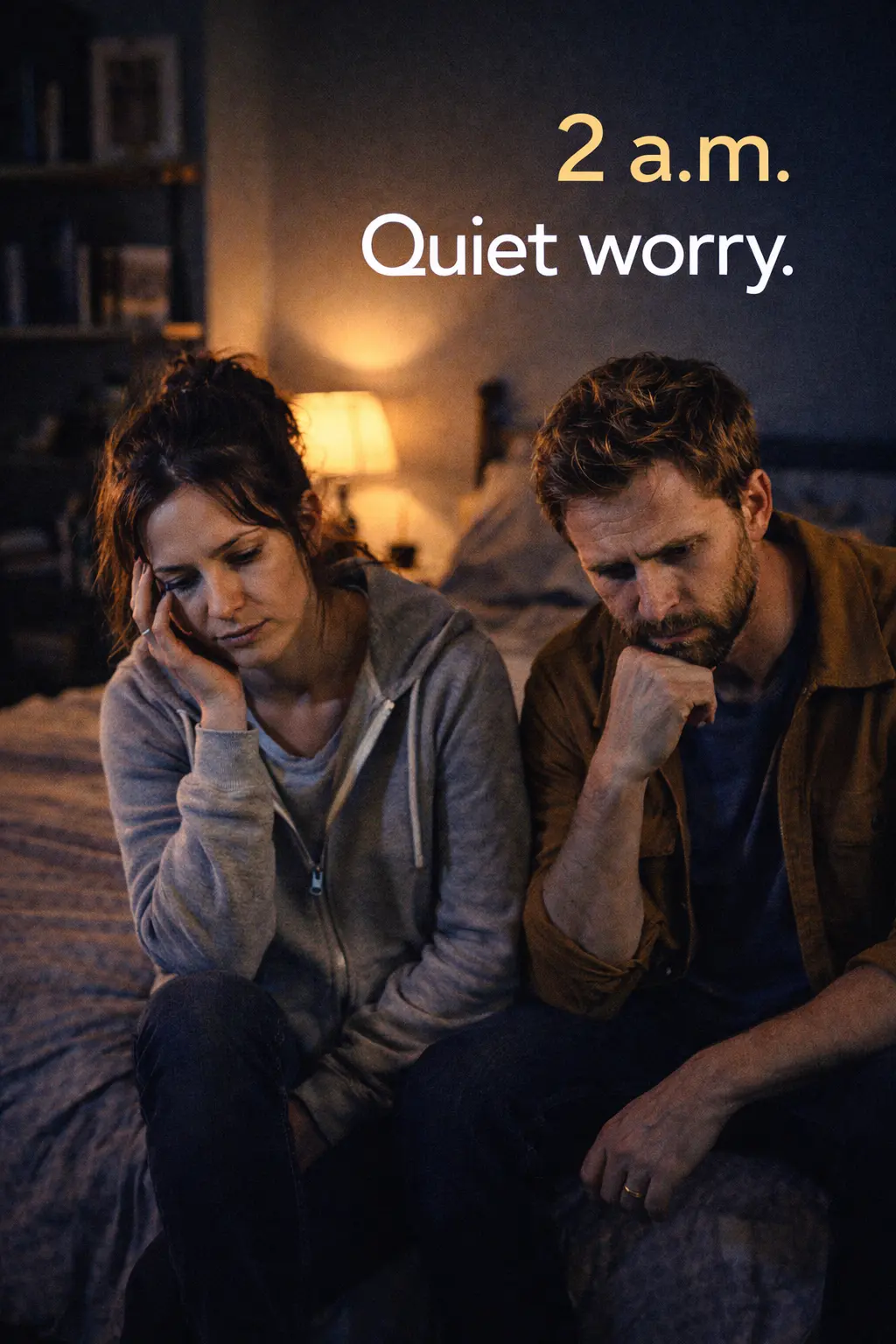
By 2 a.m., you’re Googling:
“ADHD signs in toddlers.”
“How to get my kid to listen.”
You scroll forums. You read blogs. You second-guess every instinct you had yesterday.
Labels gather before your child ever steps into a classroom.
And by the time they do, ADHD is already in the room before their name is.
What used to be kids being kids is now a checklist.
And somewhere between concern and exhaustion, a prescription pad fills the silence.
But What If It’s Not a Disorder?
What if it’s something else entirely?
What if it’s Fast Brain Fire or FBF?

Not a diagnosis. Not a defect.
But a name for what happens when a child’s brain is developing at lightning speed.
Bursts of energy.
Big emotions.
Endless questions.
Unpredictability that only makes sense when you realize their mind is wiring itself in real time.
We live in a world that moves fast. Demands faster.
Expects children to sit still, speak softly, regulate emotions, and follow directions, all before their brains are even finished building the hardware.
So we rush to clinical language: ADHD. Behavior plans. Medication.
But maybe what we’re seeing is FBF, the fire of a growing brain trying to process more than it can yet explain.
FBF isn’t about denying challenges. It’s about expanding the frame.
It gives parents and educators a way to talk about intensity without pathologizing it.
It’s not polished. It’s not calm.
But it’s normal.
What FBF Really Looks Like
Fast Brain Fire is that wild, raw mental energy that builds towers out of blocks, draws galaxies on napkins, and interrupts dinner with an idea they have to say right now.
It’s how the brain teaches itself to think.
It can be messy.
It can be loud.
It can be overwhelming.
But what if our job isn’t to smother it, it’s to shape it?
That’s not anti-medication.
That’s pro-discernment.
What About the Parents?
Here’s the part no one says out loud:
A lot of young parents today are anxious.
Not broken. Just overwhelmed.
They were raised in systems that rewarded compliance.
Now they’re raising kids who challenge everything, feel everything, ask everything.
And they’re doing it in a culture that never turns off, never slows down, and never forgives mistakes.
Of course it’s hard.
But what we need isn’t more diagnosis.
We need more coaching.
Not shaming.
Not “tips and tricks.”
Just support, language, and permission to not know.
Because this generation of kids might be wired differently.
That doesn’t make them un-parentable.
It means we need new maps.
Parenting has always been a skill.
We just forgot that skills can be taught, practiced, and refined.
So What Can You Do?
Start with curiosity, not panic.
- Ask if your child’s behavior is a response to their environment, not a flaw in their brain.
- Ask if the expectations around them match their developmental stage.
- Ask if you feel calm — or if your own nervous system is shot.
- Ask for a developmental pediatrician, not just a label.
Because sometimes, yes, the answer really is ADHD.
But sometimes, it’s just FBF and a parent trying to read the wrong map.
We All Want the Same Thing
Calm. Joy. Safety.
The sound of a child who feels understood.
If Fast Brain Fire is in your house, you’re not failing.
You’re holding lightning.
You don’t have to fear it.
You just have to learn how to shape it.
And maybe what we used to call wonder… still deserves that name.
Need support or guidance?
DM me.
We run Parenting in Flow Labs, online and in-person events designed to help you decode Fast Brain Fire, understand your child’s behavior, and upgrade your parenting without shame.

This isn’t theory.
It’s training for the real world, with real kids.